Most property owners do not think of garage door springs till one breaks. That is reasonable. Springs rest above the door or together with the tracks, doing hard mechanical job quietly and hidden. Yet they are just one of the most important parts of the whole system. When a springtime compromises or snaps, the door can come to be hefty, uneven, loud, or totally inoperable. Sometimes, it can likewise come to be dangerous.
The short solution is that garage door spring substitute is usually driven less by age alone and extra by cycle life, door weight, everyday use, environment, and exactly how well the rest of the system is kept. In a regular home, common springtimes often last someplace between 7 and 12 years. In an active family, they can break rather. In a reduced usage setup, they may last much longer. For commercial garage door repair, the timeline is normally much shorter since the door just opens and shuts much more often.
If you want a helpful guideline, strategy to begin assuming seriously concerning substitute around the 7 year mark for a basic household setup, and faster if your garage door is utilized as the primary entryway to your house. That does not mean every springtime needs to be changed specifically on time. It indicates the smart action is to watch for wear prior to you get surprised by a sudden failure.
What garage door springs actually do
A garage door spring does not just help the door action. It reverses the weight of the door so the opener and the person making use of the door do not bear that full load. A dual garage door can weigh a couple hundred extra pounds or even more depending on material, insulation, and size. Springs store power when the door closes and launch it as the door opens.
That is why a garage door opener is not suggested to lift a dead weight by itself. The opener overviews and regulates the activity. The springs do the heavy training. When springs weaken, the opener stress, the cables and rollers take additional stress and anxiety, and the entire system wears out faster. garage door services Southport QLD I have seen numerous solution calls that started as "the opener is failing" when the genuine trouble was a pair of aging springtimes that had actually lost tension over time.
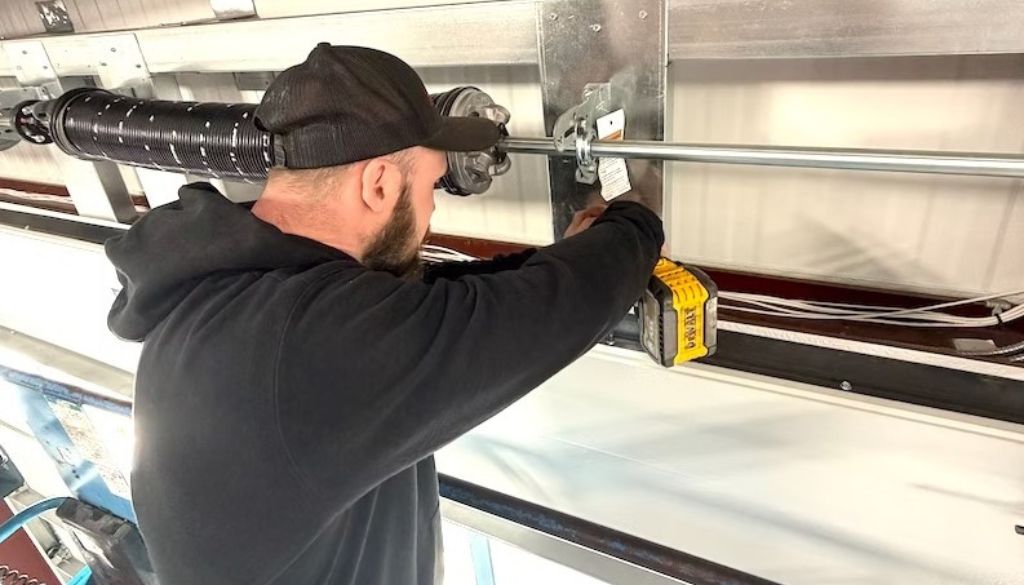
There are 2 common springtime types in residential garage door repair. Torsion springs install above the door opening and twist on a shaft. Expansion springs extend along the horizontal tracks. Torsion systems are usually extra long lasting, smoother, and much safer when properly installed, which is one reason they are common in more recent garage door installment projects.
Why "how frequently" relies on cycles, not simply years
Spring life is commonly rated in cycles. One cycle is one complete opening and one complete closing. Many basic household springtimes are ranked around 10,000 cycles, though higher cycle choices are available. If a house opens up the garage door four times a day, that is approximately 1,460 cycles per year. At that pace, a 10,000 cycle springtime might last near to 7 years. If the family uses the garage as the main front door and runs the door 8 times a day, that same spring could be nearing completion of its life in regarding three to four years.
This is where house owners typically get caught off-guard. A garage door that sees regular usage can wear long prior to it "looks old." A spring is a fatigue element. Each open and close creates stress. Over thousands of repetitions, the metal slowly loses resilience.
Commercial residential or commercial properties are a different classification completely. In industrial garage door repair, a door may cycle loads of times daily. Stockrooms, solution bays, loading areas, and vehicle parking structures can melt with typical household grade expectations promptly. For those applications, greater cycle springtimes and even more regular assessment timetables are not a luxury. They are standard operating discipline.
Typical substitute timelines genuine households
A peaceful household with a separated garage that opens up just a couple of times a day might obtain near to a decade and even beyond from a great collection of springtimes. A busy family members with teen vehicle drivers, shipment website traffic, and a garage that functions as the main entryway might need garage door spring replacement in 4 to six years, often sooner.
Material matters too. A heavy protected steel door places different needs on springs than a lighter single door. So does a wood carriage style door. I have actually seen beautiful custom-made wood doors that looked excellent from the road however required thoroughly matched springtime systems because of the added weight. If the springtimes were undersized, put on increased quickly, and the garage door opener ended up overworked.
Here is a sensible means to think about it:
Light usage, around 2 to 4 cycles a day, typically lasts 7 to 12 years. Moderate use, around 4 to 6 cycles a day, usually lasts 5 to 8 years. Heavy household use, around 6 to 10 cycles a day, can bring substitute right into the 3 to 6 year range. Commercial use varies widely, yet lots of doors need routine spring interest much quicker as a result of high daily cycling.Those are not pledges. They are planning varieties. The very same spring can live a much shorter or longer life depending on setup high quality, maintenance, environment, and whether the door is appropriately balanced.
The hints that tell you substitute is obtaining close
Springs seldom stop working without leaving hints. The problem is that the tips are simple to miss out on if you are not watching for them. The earliest indications are often refined. The door might feel somewhat larger when you disengage the opener. It may wait near the floor. It may knock close a little faster than prior to or rise unevenly. You might listen to extra squeaking, popping, or a sharp metallic snap if a springtime lastly breaks.
A well balanced garage door should remain roughly in position if you disconnect the opener and raise it midway by hand. It must not race upwards or drop hard. If it does, springtime stress might be off, or the springs might be worn. That is one of the simplest functional sign in household garage door repair, though it should be done thoroughly and just if the door can be securely controlled.
One information lots of people forget is the visible gap in a torsion springtime after damage. A broken torsion spring usually leaves a clear separation in the coil. With expansion springs, you may notice one side hanging differently or looking extended compared with the other.
Sometimes the opener begins whining before the springtimes do. If the garage door opener appears stretched, relocates slower than normal, or reverses all of a sudden, the problem might not be digital at all. Weak springs force the opener to compensate. That additional effort can reduce the life of equipments, motors, brackets, and hinges.
Replace one springtime or both?
When a 2 springtime system has one busted spring, the much better method is typically to change both. Springs in a matched set tend to age with each other. If one has actually fallen short from fatigue, the other is commonly stone's throw behind. Replacing just the damaged spring can conserve cash in the minute, however it usually leads to a 2nd service call in the close to future.
There is additionally a balance problem. New and old springtimes do not carry out identically. A fresh spring coupled with a used spring can create irregular training and additional stress and anxiety on the shaft, bearings, cords, and opener. In the area, that discrepancy turns up as jerky activity, additional noise, and premature wear somewhere else in the system.
The exact same concept usually uses in business garage door repair, though the choice may depend upon system style, cycle ranking, and functional needs. In either setup, the goal is not simply to get the door moving once again. It is to restore safe, well balanced, predictable performance.
Why spring substitute should be prepared, not simply reacted to
Many property owners treat spring failure as an inescapable surprise. It does not need to be by doing this. Planned replacement has genuine advantages. You can schedule service at a convenient time, stay clear of obtaining trapped with a car inside, minimize the opportunity of opener damages, and select updated high cycle springs if your present set broke faster than expected.
An intended browse through additionally gives a technician the chance to examine the whole door system. In good garage door repair method, springs are never ever an isolated component. The condition of the drums, cable televisions, facility bearing, end bearing plates, rollers, hinges, track placement, and opener settings all affect springtime efficiency. A door that is out of equilibrium or dragging in the tracks will put on springtimes much faster. So will a door with bad roller activity or frayed cables.
I remember one house owner who maintained replacing openers every couple of years due to the fact that each one eventually "stopped pulling." The actual concern was a hefty insulated door with incorrect springtime sizing and curved track sections from an old influence. As soon as the door was properly well balanced and the track fixed, the next opener lasted generally. That type of circumstance is a lot more typical than people think.
Seasonal weather condition and rust issue more than people expect
Climate plays a silent but vital duty in spring life. In humid or coastal locations, rust can damage steel over time. In places with large temperature swings, winter can make minimal springs most likely to fall short because the metal ends up being much less forgiving and lubricant enlarges. It is common to hear about a spring splitting on a chilly early morning after seeming great the evening before.
Rust is not simply cosmetic. Rust creates surface roughness, and roughness rises rubbing in between coils on torsion springtimes. That added friction can increase wear and trigger loud operation. A little preventive upkeep can assist, yet it can not reverse steel exhaustion once the spring is near the end of its rated life.
If your garage is not environment regulated and the door obtains made use of heavily via all seasons, it makes sense to check springtime problem a lot more very closely after 5 to 7 years, even if no apparent failing has happened. The price of monitoring is modest compared with the hassle of a break at the most awful feasible time.
Maintenance practices that can stretch spring life
No maintenance regimen can make springtimes last for life, yet great care can help them reach their desired lifespan and reduce stress on the whole door system. The basics are not made complex, but uniformity matters.
Listen to the door once a month. New grinding, popping, or stressing noises should have attention. Watch the door step. Jerky travel, unequal lifting, or a door that does not sit level can indicate spring or cable television issues. Keep rollers, joints, and springs gently lubed with a product planned for garage doors. Schedule regular solution if the door gets heavy use or if it is older than 5 to 7 years. Test balance thoroughly with the opener disengaged, yet just if you can do it safely and the door is not currently revealing indications of failure.One care right here: lubrication helps reduce friction and noise, however it does not "deal with" a used spring. Individuals often listen to much less noise after oiling and think the problem is fixed. Actually, the springtime might still be nearing the end.
Does a new garage door alter the spring schedule?
Yes, due to the fact that brand-new garage door installation often changes the weight and balance qualities of the system. If you update from an older non protected door to a thicker shielded design, or switch from steel to timber, the initial springs may no more be right. Springs needs to match the actual door weight and drum arrangement. Even small inequalities can cause inadequate balance and shorter spring life.
This is likewise why springtime work ought to not be dealt with as a common parts swap. The best spring is chosen by more than door width. Height, weight, wire drum size, shaft setup, and needed cycle life all matter. A correctly sized springtime collection can enhance door feel, decrease opener pressure, and cut down on repeat repairs.
When a new door enters, ask what cycle score the springtimes have and whether an updated option is readily available. The rate distinction in between basic and high cycle springtimes is typically practical compared to the labor cost of future replacement. For a family members that makes use of the garage frequently, updating at the beginning can be money well spent.
How the opener matches the picture
A garage door opener is frequently blamed for troubles that start with spring wear. That is not totally unreasonable, because opener signs are what most individuals see initially. The remote stops working regularly. The motor sounds loud. The safety reverse ends up being unpredictable. The rail drinks more than typical. Yet in most cases, the opener is not the origin issue.
Think of the opener as a supervisor, not a worker. It regulates activity however ought to not be doing the genuine lifting. A well balanced door can normally be raised by hand with moderate effort. If your opener is drawing tough each day since weak springtimes are no longer doing their share, the opener will pay the price.
That is why a technician doing truthful garage door repair checks equilibrium before marketing opener components. It is likewise why spring replacement and opener modification commonly work together. As soon as new springtimes are installed, opener pressure setups and travel limitations might require great tuning so the entire system functions smoothly.
Safety is the primary factor this task comes from a pro
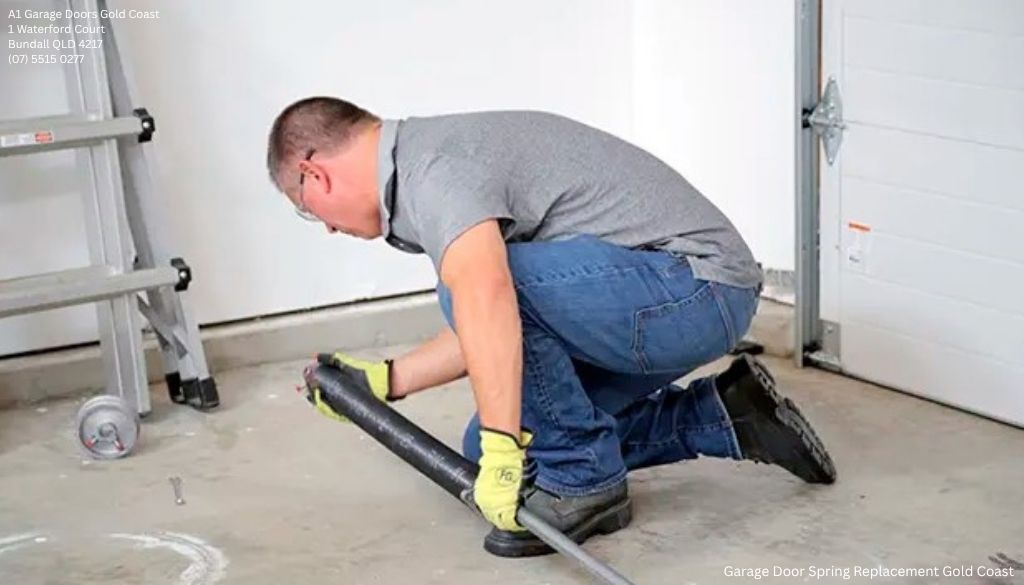
There are home jobs that compensate persistence and cautious understanding. Garage door spring replacement is usually not one of them. Torsion springtimes are wound under significant tension. A mistake with winding bars, set screws, or door securing can create severe injury. Extension spring systems have their own threats, especially if safety and security cable televisions are missing out on or damaged.
This is not terrify talk. It is merely a group of fixing where the kept energy is enough to do actual damage. A seasoned specialist understands how to safeguard the door, choose the proper spring, established proper stress, check cord alignment, verify balance, and check associated hardware before returning the door to service.
Professional domestic garage door repair also assists you stay clear of a 2nd trouble, which is installing the wrong spring. A door may appear to help a while with a wrong springtime, however the pressure appears later in the opener, cords, drums, and door sections.
When industrial doors need a different strategy
Commercial garage door repair is worthy of separate therapy because the operating needs are so various. A rolling steel solution door at a warehouse or an overhead sectional door at an automobile store can cycle far more in one month than a home door does in a year. In that atmosphere, waiting on noticeable signs and symptoms is not an audio strategy.
A planned maintenance timetable is the better technique. High cycle springs, regular equilibrium checks, and documented assessments minimize downtime and aid prevent safety and security cases. If an industrial door is part of everyday operations, springtime failing is not simply troublesome. It can disrupt delivery, block car accessibility, and create liability worries if the opening is left unsecured.
For structure supervisors, the concern is less "just how usually should springtimes be replaced" and more "how do we match the spring routine to real usage." If a door is objective critical, springtime replacement must be aggressive as opposed to reactive.
A practical preparation technique for homeowners
If you have no idea just how old your springtimes are, start with monitoring and a service check. Find out whether your system utilizes torsion or expansion springtimes, whether there is one springtime or two, and whether the door is appropriately balanced. Ask the professional for the likely cycle score and whether the springs show up original to the door.
If your springs are previous seven years of ages and the garage sees day-to-day use, it is reasonable to begin budgeting for garage door spring substitute, also if the door still functions. If your family relies on the garage as the major entrance, that spending plan must be a little higher on the priority listing than many individuals realize. A stopped working springtime often tends to occur on a workday early morning, not when the timing is convenient.
Homeowners that are already arranging garage door installation, major garage door repair, or a garage door opener replacement need to also ask whether the springtimes are still suitable for the setup. Integrating relevant work can save labor and protect against a bit-by-bit repair work cycle.
The best timing is not a repaired calendar day. It is the factor where age, use, and signs and symptoms begin to line up. For several homes, that minute arrives between year 5 and year eight. For hefty use homes, it can come earlier. For lightly used doors with well matched equipment, it can come later on. The objective is not to change springs too soon. It is to replace them before they stop working at complete trouble and full risk.
A garage door can look simple from the driveway, but the spring system is doing sophisticated, demanding job every day. Focus on usage, pay attention to the door, and treat spring substitute as intended maintenance as opposed to an emergency situation. That approach shields the opener, expands the life of the door system, and maintains one of the busiest entrance points in your home working the way it should.