Industrial garage doors do more than open and close a structure. They shield tools, control accessibility, aid take care of climate exposure, and maintain everyday operations relocating. When a door starts dragging, an electric motor thinks twice, or a panel shows visible wear, the issue is hardly ever simply cosmetic. On a hectic site, a damaged door can slow distributions, disrupt process, and develop a safety and security concern long previously anybody labels it a significant repair.
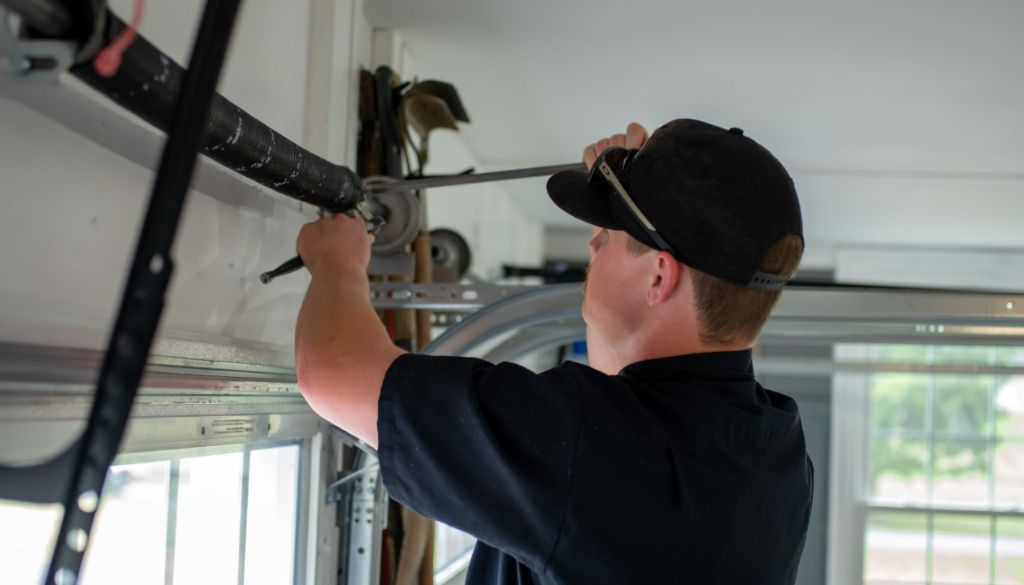
That is particularly true in Queensland, where climate and compliance both form the way garage doors need to be chosen, maintained, and fixed. A door that functions penalty in light problems may be the incorrect door for a cyclone-prone area. A door that has not been serviced on schedule might still open up, however it may not meet the standard anticipated of a business or industrial opening that is relied upon every day. The practical concern is not just whether the door steps. It is whether it remains risk-free, useful, and certified under the conditions it will actually face.
Why industrial garage doors are worthy of even more interest than they commonly get
Industrial doors have a tendency to be considered granted until something fails. That is reasonable. They are developed to be reliable, and in lots of centers they are opened up and shut lots of times daily without much idea. Yet the mix of weight, stress, relocating equipment, and automated controls implies there is extremely little margin for neglect.
A door that is slightly out of balance can put additional anxiety on the right track, rollers, springtimes, and electric motor components. That type of anxiety does not remain little for long. It normally shows up first as slower movement, uneven traveling, a louder operation, or a door that no more seals correctly. If those signs are ignored, the repair can come to be extra engaged and much more pricey than it needed to be.
Safety is another reason these doors require cautious handling. Springs and wires carry significant tension. Opener systems are hassle-free, but they can also mask underlying mechanical issues. A local business owner might see a door that still opens up and assume every little thing is great, when in truth a skilled eye would identify use that can influence performance or activate a failing later.
On industrial sites, the stakes increase better since doors are not separated family components. They belong to a larger building envelope and a protection system. If they fail, the building can be revealed to weather, particles, unauthorised entry, or inner damages to contents and tools. A weak point in a garage door can come to be a weak point in the entire structure.
Compliance is not an optional extra
One of the most misunderstood components of garage door maintenance is compliance. Individuals commonly presume a criterion is only pertinent at the time of setup, or only matters if a council assessor is included. That is not just how it operates in method. Criteria can be voluntary in the abstract, once they are referenced by law, they become the criteria that matters.
In Queensland, the structure structure is based upon the National Construction Code, the Queensland Growth Code, the Building Act 1975, and the Building Guideline 2021. That issues due to the fact that garage doors in certain areas are not just regular hardware selections. In cyclone-prone areas, garage doors installed given that 2012 should meet the wind-rated requirements of AS/NZS 4505. Queensland government guidance has likewise explained that older doors might not have enough strength for whirlwind winds.
That is a critical point for anyone in charge of a commercial website. A door may have worked for years and still disappoint existing assumptions in a wind region where higher resistance is required. In those instances, industrial garage door repairs alone might not suffice if the door itself is basically improper. Sometimes the ideal solution is repair. Often it is substitute with a compliant, wind-rated system.
Queensland advice likewise notes the repercussions of garage door failing in serious weather condition. The door is not a small accessory. If it paves the way, wind can go into the building and create major damages to wall surfaces, ceilings, roof covering cladding, and materials. It can also produce harmful wind-borne particles. As soon as that happens, the cost is hardly ever restricted to the door. The door failing can end up being the factor where a convenient problem develops into a much bigger structure issue.
Choosing the best door type for the site
Industrial residential or commercial properties make use of different door styles for different factors, and each style includes compromises. The best option is not always the best theoretically or the cheapest to get. It is the one that fits the website, the direct exposure, and the maintenance capacity of the business.
Roller doors are often valued for their compact impact. They suit sites where room around the opening is limited and where an easy, upright operation is useful. Sectional doors can use a various equilibrium, with panel building that might match insulation or regular use needs. Turn doors have their own location as well, though they require adequate clearance and are not always the best suitable for every commercial layout.
In a cyclone-prone location, the style matters less than whether the set up door is rated and matched for the wind area. A door that is structurally great in one atmosphere might not be appropriate in another. That is where garage door criteria require to lead the decision as opposed to habit or familiarity.
It is also worth considering what happens after the door is mounted. A system that is easy to solution, very easy to inspect, and suitable with regular maintenance is often the better lasting option. That is specifically true for industrial websites where downtime is costly. A a little extra thought about upfront choice can lower the opportunity of repeated fixings later.
Maintenance is what keeps a compliant door acting like one
Compliance at installment does not eliminate the need for maintenance. A wind-rated door or a top notch opener can still wear away if it is disregarded. Coastal environments, specifically, penalize hardware. Salt and dampness accelerate rust, and corrosion modifications the way moving parts perform.
Gliderol's upkeep advice is a helpful tip of just how practical maintenance needs to be. It advises that panel doors be fueled oil every 3 to 6 months and serviced every 2 years, with more constant focus for seaside buildings. That does not suggest every website has identical needs, however it does show that waiting on a failure is the incorrect method. Routine treatment becomes part of the door's functioning life.
A solution interval additionally has a compliance dimension. Gliderol notes that failing to adhere to authorised maintenance intervals might affect warranty coverage, specifically for motorised components. B&D similarly mentions that some warranty security relies on maintenance within the initial 12 months and then a minimum of every 2 years when a door and opener are bought together. Those information issue since warranty and maintenance typically move together. If a service ignores solution referrals, it may shed more than smooth operation.
For commercial sites, the functional value of maintenance is simple. A specialist can check balance, look over the problem of springtimes and wires, examine opener performance, and identify wear before it becomes failure. That sort of focus is much much less disruptive than waiting for a door to jam at the wrong time.
The warning signs that need to not be brushed aside
Some door issues are noticeable. Others are refined sufficient that people get used to them. A door that has actually come to be noisier, slower, or tougher to manage might still be "working", however that is not the very same thing as functioning properly. Those adjustments usually indicate rubbing, discrepancy, or falling short components.
There are likewise simpler issues that can simulate a more significant fault. B&D notes that typical troubleshooting checks consist of reduced remote batteries or the opener being detached from the door. Those deserve ruling out, because not every fault calls for significant intervention. But once the simple checks are done, a trained professional should manage the repair and maintenance. That is not just a conservative suggestion. It mirrors the truth of springs, tensioned cable televisions, and automated systems that can be harmful if dealt with incorrectly.
A functional website supervisor discovers to take these indications seriously:
- uneven opening or closing obvious scraping, grinding, or jerky movement visible wear in wires, springs, or door hardware an opener that waits, separates, or acts inconsistently damage to panels or tracks after effect or extreme weather
None of those signs need to be dealt with as normal wear to be left forever. The earlier an issue is checked, the most likely it is that the solution will be straightforward.
Repairs versus substitute: where judgment matters
Not every defective door requires to be changed, and not every repair work deserves doing. That choice depends on age, problem, compliance, the likely reason for the fault, and the atmosphere the door operates in. This is where experience matters more than positive outlook. An economical repair work can be pricey if it only buys a short reprieve prior to an additional failure.
If the chain-drive opener door is otherwise structurally audio and the problem is restricted to put on in a part or a fault in the opener, commercial garage door fixings might be the sensible alternative. That might bring back feature without unnecessary disturbance. However if the door is old, rust is widespread, components are continuously failing, or the door does not meet current wind-rating requirements for the website, substitute might be the much more responsible choice.
That decision comes to be extra pushing in Queensland's cyclone-prone locations. Queensland government advice states doors set up in affected areas considering that 2012 must meet the wind-rated requirement, and older doors may not have adequate toughness for whirlwind winds. If a site is running with a door that precedes that assumption, repair service alone may not fix the underlying risk. The concern then becomes whether the building is counting on a door that is merely not up to the task.
A helpful way to consider it is this: repair service fixes what is damaged, substitute repairs what is inadequate.
Opener upgrades, controls, and daily use
Motor and opener systems deserve focus of their very own. They are often dealt with as secondary to the door, but they form just how the entire system behaves. A door with a healthy and balanced panel and worn opener can still be a trouble. Furthermore, an effective opener will not compensate for a door that is out of equilibrium or structurally compromised.
B&& D notes that a few of its openers include a service indication light, which is a practical tip that the equipment itself can signify when it requires focus. That sort of function is useful since it prompts activity before a small issue ends up being a shutdown. B&D likewise states that its doors and openers are made and examined in Australia, which is relevant since neighborhood conditions ought to shape regional equipment choices.
For industrial customers, smart controls and remote access can be helpful, however ease should never outrun dependability. The even more complex the control system, the more vital it is that maintenance is consistent which drivers understand the distinction between an individual issue and a mechanical concern. A remote that quits responding may be a battery. It may likewise be a signs and symptom of a door that has actually been detached from the opener or a system that needs expert attention.
Corrosion, coastal direct exposure, and the Gold Coastline reality
Coastal job websites live with a various maintenance account. Salt air does not require much encouragement to develop problems on steel parts, relocating equipment, and exposed mendings. That is why service regularity matters much more near the coast than it could inland. A door can look functional from a range and still be developing deterioration at the sides, in the hardware, or around the moving components where wear very first appears.
This is one reason seaside drivers must believe very carefully regarding both door option and service planning. A design that suffices in other places may require much more frequent attention in a seaside environment. Routine servicing is not regarding over-maintaining equipment. It is about keeping ahead of the conditions that antagonize it every day.
For companies on the Gold Coast or in likewise revealed locations, the link between weather resistance, corrosion avoidance, and conformity is difficult to ignore. A garage door that binds, leaks, or loses stamina is doing greater than producing a nuisance. It is undermining mobile garage door repairs near me the building's resilience.
A functional maintenance rhythm that in fact works
A great upkeep routine does not need to be made complex to be effective. It requires to be constant, reasonable, and matched to the site. For many operators, the issue is not an absence of info. It is that servicing obtains dismissed up until the door comes to be obviously troublesome.
A convenient rhythm generally looks something like this:
- keep an eye on adjustments in sound, balance, and speed arrange set up specialist maintenance instead of waiting for failure treat seaside exposure and hefty use as factors for more regular checks make sure opener concerns are assessed along with the door itself revisit compliance when changing older doors in cyclone-prone areas
That kind of framework helps services stay clear of the typical catch of complex activity with reliability. A door can still take a trip backwards and forwards and yet be on the side of failure.
Why compliance and functionality need to stay connected
It is tempting to think of conformity as paperwork and capability as hardware. In actual facilities, they overlap. A compliant industrial garage door that has not been kept may no longer perform as planned. A door that executes acceptably in reasonable weather might still fail the demands that matter in a high-wind environment.
Queensland's framework, constructed around the National Building and construction Code and associated legislation, makes the legal side clear sufficient. Requirements can become obligatory as soon as referenced by law. AS/NZS 4505 matters in cyclone-prone areas due to the fact that it addresses the real pressures those doors might need to hold up against. That is not academic. It is an action to the damage that garage door failing can trigger to the rest of the building.
Good operators treat the door as a system with 3 equal responsibilities: security, function, and compliance. Exclude any one of those and the entire arrangement comes to be weaker. A door that is safe however not compliant is an obligation. A door that is certified however inadequately kept is unstable. A door that is functional but dangerous is not fit for purpose.
Industrial websites do not need excellent doors. They need doors that are suitable, serviced, and sincere concerning the problems they face. That suggests choosing devices that fits the wind region, keeping it at the appropriate interval, and asking for specialist help before a little problem becomes a failing that affects the structure around it.