A property garage door looks straightforward from the driveway, yet any person who has actually repaired one knows much better. It is a hefty moving wall, stabilized by springtimes, assisted by steel tracks, carried by rollers, and often linked into a garage door opener that gets criticized for troubles it did not produce. When one component drifts wrong, the signs spread. A dented panel can strain joints. A bent track can chew through rollers. Used rollers can make a healthy opener sound like it gets on its last legs.
Most home owners initially notice the noise. The door begins rattling on the way up, shuddering on the way down, or waiting midway as if it is unclear whether to continue. Sometimes the concern is cosmetic and inconvenient. In some cases it is the very first caution before a cable television leaps a drum or a roller climbs up out of the track. The distinction issues, due to the fact that a garage door that considers 130 to 250 extra pounds does not offer much area for guesswork.
In residential garage door repair, panels, tracks, and rollers sit in a strange happy medium. They are not as been afraid as springs, and they are not as understandable as a remote battery or a misaligned picture eye. Yet these are the components I see fall short usually after years of everyday usage, weather condition exposure, and occasional call with a bumper, basketball, trash bin, or ladder.
What typically fails first
Garage doors age in patterns. Steel doors grab damages in the reduced section. Timber doors soak up dampness, swell, and start dragging or turning. Aluminum doors can crease surprisingly conveniently, particularly around panel sides. Tracks obtain nudged out of placement by influence or loosen slowly as fasteners withdraw over time. Rollers wear out from countless cycles, specifically when economical builder-grade components were installed in the very first place.
One of the clearest hints is movement that looks irregular from entrusted to right. If one side increases efficiently while the various other chatters or lags, that is often not an opener problem. It can indicate a curved vertical track, a confiscated roller, loosened hinges, or wire stress that has altered since one more component has actually failed. House owners often change the remote, reset the opener, or start buying a brand-new electric motor when the genuine mistake is mechanical and noticeable from the floor.
Cold climate often tends to expose weak points. Nylon rollers with worn bearings get louder. Steel rollers with completely dry shafts grind. Tracks contract a little, and any imbalance that seemed harmless in warm weather condition begins binding. A garage door opener after that presses more challenging to overcome friction, which can journey force setups or prematurely use equipments inside the operator. That is why good garage door repair starts with the door itself, not the opener.
When a broken panel is greater than a cosmetic problem
A panel is not just a face sheet. On sectional doors, each panel contributes to the door's framework. Joints tie one area to the next, and the whole assembly depends on those panels staying reasonably flat and strong. A shallow damage in the lower panel may be mostly cosmetic. A hard crease across the size of the panel, especially near a hinge add-on point, is various. That type of damage modifications just how the door flexes as it takes a trip via the span right into the horizontal tracks.
I have seen lower panels crushed simply sufficient by a lorry bumper that the proprietor kept making use of the door for months. The opener still raised it, however the area had actually shed tightness. At some point the panel started bowing during travel, the hinges tore at the bolts, and the rollers quit tracking cleanly. The repair service that might have been a single panel replacement developed into multiple hinges, rollers, support shows off, and track adjustment.
Material matters below. Steel panels can frequently endure small dents without prompt structural difficulty, but once a panel is dramatically folded, the steel has lost stamina. Wood panels can in some cases be fixed by a knowledgeable carpenter, however rot near the bottom side is well-known for spreading out further than it appears from the outside. Compound and shielded sandwich panels existing another difficulty. Their skins, core, and inner framing all collaborate. If the connection points for joints or top fixtures begin removing, patching is seldom a resilient fix.
The age of the door also impacts the decision. Makers revise panel profiles and shades frequently. Matching one damaged section on a ten-year-old door can be difficult or difficult, even if the door itself is still practical. In those cases, home owners need to evaluate the expense of panel hunting and color mismatch versus a full garage door installation. If the springtimes, rollers, and weather condition seal are likewise near the end of their life span, substitute often makes much better financial feeling than piecemeal repair.
Repairing versus changing a panel
There is no global regulation, but there are practical limits. If the damages is separated, the panel is still readily available, et cetera of the system is sound, panel replacement is normally the right telephone call. If the door has multiple broken areas, track distortion, deterioration at equipment points, or poor schedule of matching parts, a complete substitute begins to look smarter.
A great professional additionally inspects balance before quoting panel job. A door that is terribly out of balance may have underlying springtime issues. That issues since panel substitute changes weight circulation. On some doors, particularly protected models with windows, changing one area with a various construction can discreetly alter the tons seen by the torsion system. That does not always need brand-new springs, but it ought to be reviewed. Overlooking that step can leave the property owner with a door that looks fixed however runs poorly.
For reduced sections, support deserves focus. The lower panel takes misuse from dampness, effect, and everyday handling. If the accessory factors for the lower braces are compromised, that is not an informal repair location. Those brackets are linked to lift cable televisions under high tension. This is the line where property garage door repair quits being a weekend break task and ends up being a safety job.
Tracks are intended to overview, not force
A garage door track does not draw the door open. It provides the rollers a path. That seems obvious, yet it helps describe why even a tiny bend can create such significant symptoms. If the track pinches internal at one place, the roller needs to fight through it. If the upright track tilts too far from the jamb, the door can slap and wobble. If the straight track sheds correct pitch or assistance, the door might resolve unevenly when open and stress during closing.
The most usual track damages in residential settings takes place low on the upright sections. A trash can obtains clipped, a bike take care of catches the steel, or a cars and truck bumper faucets the track while drawing in as well close. Even a half-inch of contortion in the wrong area can make a door bind every cycle. Often individuals get hold of a hammer and attempt to straighten it. Light modification is feasible when the bend is minor, yet aggressive battering commonly makes the shape even worse, flares the opening, or twists the track out of plane.
Alignment is not nearly straightness. The left and appropriate upright tracks need to be plumb and evaluated the appropriate spacing for the door size. The straight tracks should be degree with each various other or comply with the producer's intended slight incline, relying on the layout. Flag braces, jamb brackets, angle supports, and splice factors all matter. When a track has actually been "taken care of" without examining those partnerships, the door might operate, yet it typically does so with drag that shortens the life of rollers and opener components.
I bear in mind one country dual door that trembled so badly overhanging that the property owner was particular the opener rail was failing. The real trouble was a straight track support on one side that had loosened and sagged. The rollers were climbing up uphill on one side and drifting on the various other. Tightening and re-hanging the assistance, then resetting the track spacing, changed the whole noise of the system in under an hour.
Signs a track problem is coming to be urgent
Some track troubles can wait a couple of days for organizing. Others need to stop door use immediately. If a roller has partly appeared of the track, if the track is dividing from the wall, or if the door visibly leans while moving, do not maintain cycling it. The next trip can jam the door, throw a wire, or drop an area unexpectedly.
Here are the warning signs I inform homeowners to take seriously:
- the door binds at the same place every cycle one side appears greater or lower during travel rollers massage the track face as opposed to running centered the track has a sharp fold, not simply a superficial dent mounting brackets hang, cracked, or pulling from the framing
Those signs do not always suggest catastrophic failure looms, but they do imply the door is no longer running in a healthy and balanced path.
Rollers: small parts, huge effect
Rollers hardly ever get much focus up until they start squealing. That is a mistake, since they affect sound, level of smoothness, and wear throughout the system. Affordable rollers with unwrapped bearings or simple bushings prevail on builder-installed doors. They function, however not for long under everyday usage. Once they wear, they develop play at the stem, bind in the race, or squash sufficient to vibrate with every joint connection.
There is additionally a quality void in substitute components that home owners do not always see. A steel roller might appear long lasting, but steel on steel can be loud and ruthless if the bearings are poor. Nylon rollers, particularly sealed-bearing versions, are quieter and usually stand up much better in household use. The secret is not just the wheel product. It is the bearing quality, the stem length, and whether the roller matches the joint and track geometry.
A worn roller creates a domino effect. It can cock in the track, stress the joint, and present side lots that the opener need to conquer. If numerous rollers are put on together, the door establishes that acquainted roaring, which lots of people call "the entire thing sounds loose." They are not wrong. The motion becomes much less regulated, which encourages bolts to loosen up elsewhere.
Replacement intervals differ by cycle count. A family that makes use of the garage as the main entry may run the door four to 8 cycles a day, sometimes extra. At that price, economic situation rollers can really feel worn out in 5 to seven years. Better sealed rollers can last much longer, yet they are still put on things. When I inspect older doors, I typically find one stopped working roller and numerous others close behind. Changing all rollers at once is normally far better than exchanging them individually over six months.
Why rollers, hinges, and opener behavior are connected
When a home owner says, "My garage door opener is having a hard time," I take notice of the door before the motor. Openers are made to relocate a balanced, low-friction door. They are not implied to bulldoze a mechanical trouble right into submission. If the rollers bind and the tracks drag, the opener compensates till it can not. That might appear as sluggish traveling, resonance in the rail, force-setting issues, or a door that turns around unexpectedly.
Top rollers deserve special reference due to the fact that they affect exactly how the leading section seals and transitions right into the horizontal track. On lots of doors, the top fixtures are flexible. If they are established as well tight, the top area can bind in the span. If too loosened, the top panel may not seal correctly against the header. This is one reason a door can look penalty from a range yet still run rough. The geometry at the top section matters greater than people think.
Garage door opener setups ought to only be readjusted after the door equipment is functioning correctly. Cranking up pressure to get over bad rollers or a curved track is an usual mistake. It may get the door moving once more for some time, but it conceals the mechanical issue and enhances strain on the opener. I have actually seen stripped drive gears and bent cart parts that were truly negative effects of neglected door maintenance.
What homeowners can securely examine before asking for service
There is a helpful middle ground between not doing anything and attempting a full repair work. With the door shut, a homeowner can execute an aesthetic evaluation and gather details that makes a service call more efficient.
- look for dents or folds in panels and tracks watch whether rollers sit focused in the track check for loosened bolts at track braces and hinge plates listen for grinding, popping, or repeated clicking during travel note whether the opener has a hard time much more in one part of the cycle
Beyond that, caution is wise. Do not loosen up bottom braces, wire drums, or torsion equipment. Do not eliminate roller comes from components that are connected into tensioned parts unless you know the system and have actually secured the door properly. Panels, tracks, and rollers may seem much less harmful than springs, yet they live next to spring-loaded components that can wound you quickly.
Where spring troubles overlap with panel, track, and roller issues
It is impossible to talk about garage door repair truthfully without talking about springtime equilibrium. A door with weak or damaged springs acts in a different way also if its panels, tracks, and rollers remain in good condition. It may pound closed, feel unusually heavy in hands-on setting, or require the opener to drag it upwards with obvious pressure. In that state, rollers and tracks typically take added punishment, because the door is no more relocating with regulated balance.
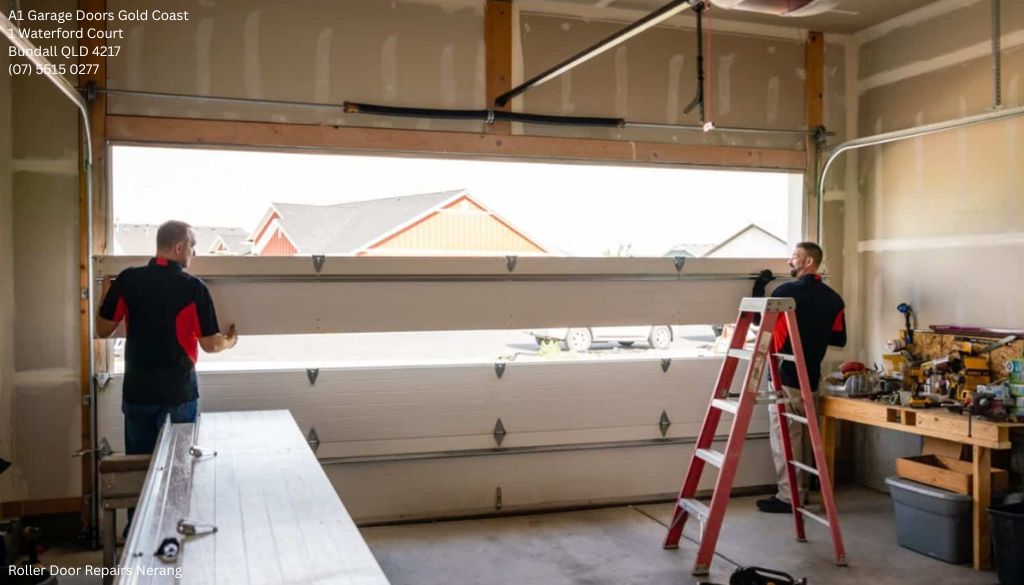
Garage door spring replacement is among one of the most crucial repair services in the system, and it should be done with precision. The springtime size need to match the door weight and height, not simply approximate it. I have actually strolled right into homes where a recent springtime job "worked" however left the door drifting open from waistline height or collapsing local garage door repair services shut from shoulder height. Improper springtime option changes exactly how every other part behaves. Rollers use quicker, tracks see more rubbing, and panels experience harsher start-stop forces.
This overlap is one factor good diagnosis matters more than separated part switching. If a specialist replaces noisy rollers on a door that is likewise out of balance, the customer may obtain a quieter door for a month and after that a callback when another symptom appears. The fixing needs to attend to the system, not simply the loudest part.
When repair service gives way to replacement
Not every harmed door is worthy of a lengthy repair work price quote. In some cases the most effective professional guidance is to stop purchasing a used system. If the door has numerous bent areas, obsolete equipment, sagging tracks, and a worn out opener, a modern garage door installment can be much more economical over the following years than repeated fixings. New doors often run quieter, seal much better, and place much less tension on the driver due to the fact that the equipment package is matched from the start.
This is especially true when security and insulation matter. Older doors might do not have pinch-resistant section designs, correct support for openers, or efficient bottom and perimeter securing. If the garage is affixed to your home, those upgrades are not practically looks. They influence convenience, noise, and daily reliability.
Residential decisions vary from industrial garage door repair, though the concepts overlap. Commercial doors usually see higher cycle matters, heavier-duty equipment, and different track arrangements. In homes, the decision is more individual. Suppress allure issues. Sound matters due to the fact that rooms may sit above the garage. Budget plan issues due to the fact that one failing panel can include the shock of discontinued parts. The ideal response is the one that stabilizes safety and security, service life, and overall price, not simply the least expensive instant fix.
A reasonable service-call mindset
The best garage door fixings are not dramatic. They are methodical. A technician checks the balance, evaluates the panel structure, validates track alignment, examines roller wear, and enjoys the door cycle under tons. Occasionally the solution is straightforward, like replacing a set of used rollers and tuning the tracks. In some cases a bent reduced panel exposes concealed hinge damage or stretched mounting holes. Sometimes a consumer requests a new garage door opener when the opener is doing its job and the actual problem is friction downstream.
For house owners, the sensible takeaway is straightforward. If the door gets louder, rougher, or noticeably less stable, do not await a full failure. Panels, tracks, and rollers are the parts that maintain a heavy door following a controlled course. As soon as that course weakens, the strain infects springtimes, wires, and the opener. Dealing with the trouble early generally implies a smaller sized bill, a more secure repair work, and a door that really feels normal once more instead of one cycle away from getting stuck halfway open on a wet night.