A garage door spring rarely stops working without alerting. The difficulty is that lots of people do not identify the caution until the door is currently stuck midway open, slamming shut, or refusing to relocate at all. By that point, what can have been an organized solution phone call ends up being an immediate safety and security problem, typically at the worst possible time, early in the early morning, late in the evening, or during an active workday.
If you have ever before heard a loud split from the garage and assumed something diminished a shelf, there is a likelihood a springtime let go. I have seen property owners spend hours repairing the garage door opener, replacing batteries, resetting limits, and checking breakers, when the actual problem was a used springtime that had just gotten to the end of its cycle life. A springtime does the heavy training. The opener only guides the door. When the springtime compromises or damages, the entire system heads out of balance.
Knowing when to set up a garage door spring substitute comes down to a mix of timing, noticeable problem, door actions, and danger resistance. The best time is usually prior to the spring breaks entirely, not after. That seems obvious, however it takes a little context to recognize what "previously" actually looks like.
Why the spring matters greater than lots of people realize
Garage doors are stealthily hefty. A typical double door can evaluate a couple hundred pounds, and strong timber or protected commercial models can evaluate much more. Springs counterbalance that weight so the door can be lifted efficiently by hand or with a garage door opener. When the springtime is doing its work, the door really feels regulated and fairly light. When it is not, every other part of the system starts functioning harder.
That includes the opener, rollers, hinges, wires, and tracks. In residential garage door repair, this pattern appears constantly. A homeowner calls because the opener is stressing, the remote response is inconsistent, or the door turns around for no apparent reason. The root cause frequently turns out to be a spring that is worn down and no longer stabilizing the door properly. The opener is not failing initially. It is making up for a trouble elsewhere.
In commercial garage door repair, the stakes can be also higher. A loading bay door with a weary spring can interrupt shipments, create downtime, and present an actual risk to personnel. Companies typically recognize the expense of emergency situation failure far better than property owners do, which is why many industrial homes schedule service based upon wear and cycle count as opposed to awaiting a breakdown.
The clearest indicators that replacement ought to be scheduled soon
You do not need to be a professional to identify many of the typical warnings. Some are apparent, others are refined, but they have a tendency to show up in patterns.
- The door really feels heavier than it made use of to, particularly if you disengage the opener and try to lift it manually. The door opens up a couple of inches and stops, or it begins to shut and afterwards reverses. You listen to loud popping, squeaking, or an abrupt bang from the garage. The springtime reveals visible voids, extending, corrosion build-up, or deformation. The opener stress, jerks, or seems to be doing even more job than normal.
A single signs and symptom does not constantly suggest the springtime must be replaced that day, but 2 or 3 with each other usually validate a service phone call. A door that has actually become noticeably larger is just one of the strongest indicators. Springs wear gradually, so home owners commonly adjust without recognizing it. They push a little more challenging, hold the wall switch a little longer, or stop parking inside because the door is "breaking down." Those are not regular changes. They are indications the system is falling out of balance.
The timing concern most home owners ask
The useful version of the concern is not just "when do springs break?" It is "when should I act if the door still works?" That is where experience matters.
If the spring is undamaged but the door is moving erratically, making brand-new sounds, or putting tension on the opener, routine substitute quickly, ideally within days rather than weeks. If a spring is visibly fractured, separated, or damaged, stop using the door and routine service promptly. If the door is hanging uneven or one side is lower than the other, there might be a cable television problem linked to the springtime failure, which transforms the safety and security picture.
Springs do not typically boost with time. Once they are put on, they remain to shed stress. Temperature swings can make the habits much more obvious. Cold weather frequently subjects a weak spring because steel agreements and lubes thicken, so a marginal system that operated in light weather condition can start failing in winter.
I have actually likewise seen doors behave poorly throughout moist seasons, particularly when corrosion has actually been quietly developing on the spring coils. Corrosion raises friction and can reduce the lifespan of the spring. If the springtime has visible deterioration and the door is currently revealing signs of imbalance, waiting rarely conserves money. Regularly, it increases the chances of extra damages to the opener or hardware.
How long garage door springtimes typically last
Most torsion springs are ranked by cycle life. One cycle is one complete opening and one full closing of the garage door. Requirement springs are usually rated around 10,000 cycles, though higher-cycle choices are offered. What that suggests in the real world depends on exactly how usually the door is used.
A household that opens up and shuts the garage door 4 times a day may get roughly 7 years from a typical springtime, provide or take. An active household using it eight times a day may reduce that lifespan nearly in half. Add in climate, maintenance habits, door weight, and setup top quality, and the exact timeline can vary a lot.
That is why age issues, yet only as part of the photo. If your springs are 8 to 10 years old and the door is your primary entrance factor, substitute ends up being a proactive discussion even if you have not had a total failure yet. If they are just 3 years of ages yet the door was improperly balanced during garage door installation, the springtimes may currently be under abnormal stress.
When a client tells me, "The door still opens, yet it appears rough and appears much heavier than in 2015," and the springs are currently well right into their expected life span, that is typically the correct time to schedule garage door spring substitute. It is much more regulated, easier, and often more economical than awaiting an emergency.
Broken springtime versus weak spring
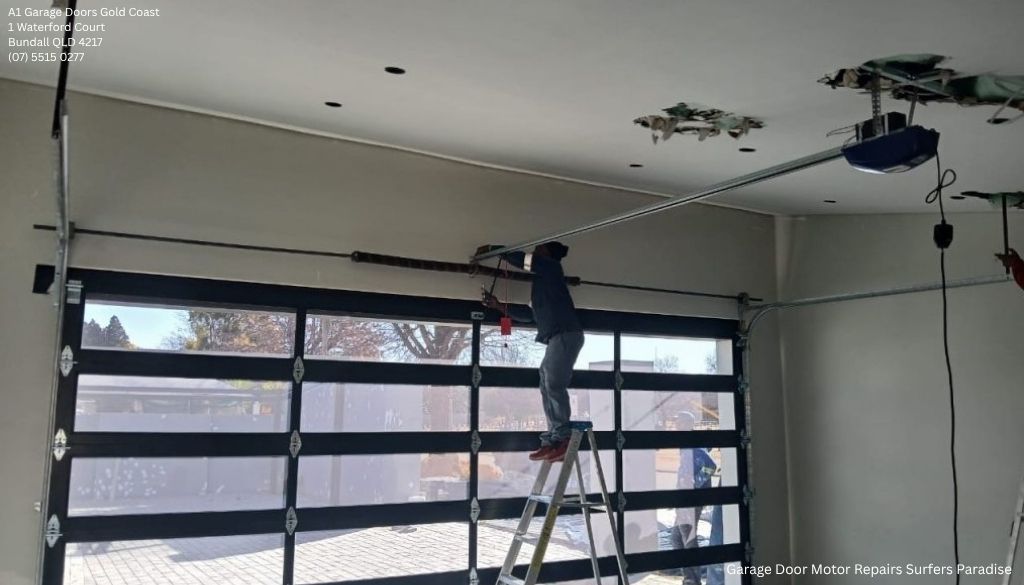
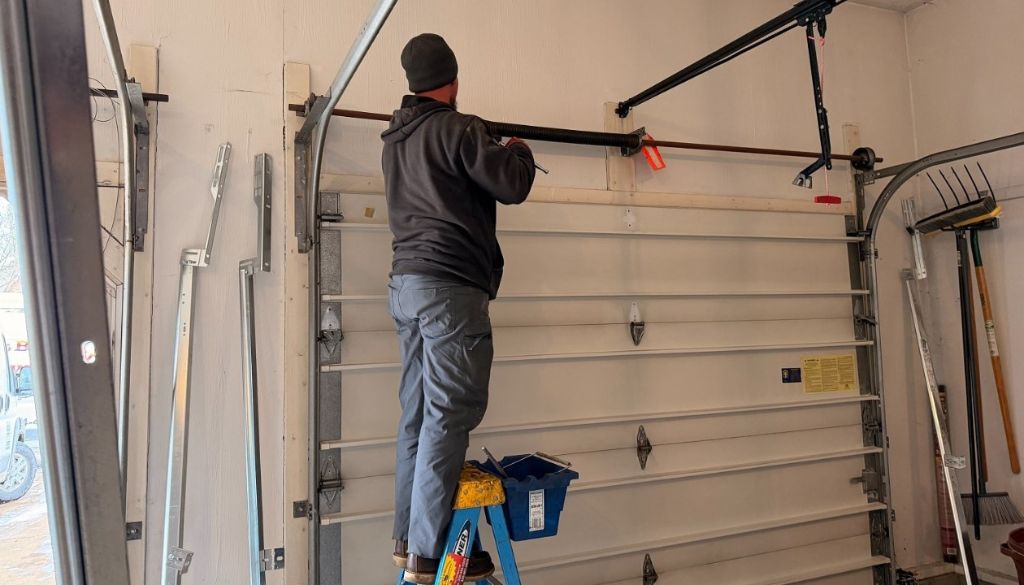
A busted spring generally makes the decision for you. The door will certainly closed correctly, or it might closed in all. On a torsion springtime system, you can frequently see a clear void where the springtime has broken. On extension springtime systems, the springtime may hang or appear overstretched. In either case, the repair service is urgent.
A weak spring is harder because the door might still work. That is where individuals delay as well long. They think that if the door relocations, the issue is small. But a weak spring can damage the opener in time, specifically if the opener is making up for added weight everyday. A garage door opener is created to move a balanced Article source door, not deadlift an out of balance one.
You can consider a weak spring like a tire with a slow leakage. It is still practically usable, yet every mile boosts the opportunities of a larger trouble. For property owners, that might mean obtaining entraped inside on a hurried early morning. For a company, it might imply an inoperable service entrance during operating hours.
Why replacing both springtimes usually makes sense
Many dual garage doors use a pair of springs. When one breaks, the other might still be undamaged, yet it has actually generally experienced the very same variety of cycles and comparable wear. Replacing just the stopped working springtime can obtain the door functioning once more, but it frequently leaves an older springtime in location that is stone's throw behind.
This is one of those judgment calls that depends on age and condition. If the springtimes were set up with each other and one has fallen short after years of solution, changing both is commonly the smarter option. The cost difference is typically extra manageable than paying for 2 separate gos to, and the door will be balanced extra constantly. It also reduces the possibility of a second failure in the near future.
On the other hand, if one spring was replaced lately and the various other is still in good shape, a technician might advise changing only the failed part. The point is not to offer more parts. It is to match the repair work method to the actual wear pattern.
The seasonal home window people overlook
Many house owners wait up until the door quits working, however there are much better seasonal windows for preventative service. Early loss is a great time due to the fact that temperature decreases often tend to expose balance problems, and organizing is frequently simpler before wintertime climate drives up emergency phone calls. Spring can additionally be a useful time, especially if the garage has experienced a cold season with little maintenance.
If you are currently planning domestic garage door repair, replacing aging springtimes before a tough wintertime or prior to a busy summer traveling period is normally wise. Families count heavily on the garage when institution timetables, sports equipment, bikes, yard devices, and holiday storage space are done in movement. A springtime failure never ever feels well timed, however it is particularly disruptive when the garage works as the household's main entrance.
For commercial buildings, the timing must comply with usage patterns more than the schedule. If a facility has a door that cycles lots of times a day, spring replacement must be tracked with service documents and prepared for prior to peak failing risk.
What takes place if you wait also long
The most immediate threat is safety. A falling short springtime can trigger the door to go down faster than anticipated or ended up being unforeseeable in motion. That matters whether the door is above a cars and truck, near a youngster, or part of a workspace with foot traffic.
There is also the tools expense. A having a hard time spring can shorten the life of the garage door opener, fray cables, wear out rollers, and throw the door out of alignment. What might have been an uncomplicated springtime substitute can turn into a bigger garage door repair including numerous components.
The hassle can be worse than the costs. A trapped vehicle, a door stuck open over night, or an impaired loading entrance creates pressure that leads individuals to make hurried decisions. Emergency situation solution fits, but intended service often provides you far better options.
I have seen homeowners attempt to maintain a weak springtime passing adjusting opener force settings. That is not a solution. It just conceals the signs and symptom while enhancing wear somewhere else. If the door balance is off, the springtime system needs focus, not a more powerful push from the motor.
Repair or substitute of the entire door?
Sometimes spring replacement is all that is needed. Other times, it makes good sense to step back and ask whether the entire door system is nearing completion of its valuable life.
If the panels remain in good shape, the tracks are audio, and the opener is reputable, replacing the springs is usually the appropriate action. It brings back safe operation without the price of a complete garage door installation. Yet if the door is older, poorly protected, dented, rusting, or mismatched with the home's requirements, springtime failure can be the minute to consider a more comprehensive upgrade.
That comes up frequently in older homes where the door is undersized, loud, or hard on the opener also after fixings. A new door with the appropriate spring system, correct harmonizing, and a compatible garage door opener can substantially boost performance and decrease persisting service telephone calls. Still, not every aging door needs replacement. A solid professional must have the ability to tell you whether the springtimes are the major problem or whether they belong to a larger decline.
What to do the day you suspect spring failure
The safest reaction is normally simple, and restraint matters more than improvisation.
- Stop operating the door if it is snagging, knocking, or refusing to lift normally. Keep individuals clear of the opening, particularly youngsters and pets. Do not draw the emergency situation release unless you comprehend the door's weight and position. Avoid attempting to change or wind the springs yourself. Call a certified garage door repair expert and define what changed.
That guidance might sound mindful, however it is gained care. Springs shop considerable energy, and the tools and training needed to manage them securely are not optional. Many home owners fit with fundamental maintenance, such as lubricating rollers or transforming remote batteries, yet spring work falls under a various category.
If the garage is your only way to relocate a lorry, describe that when you call. Numerous solution firms prioritize doors that are trapping a car inside or leaving the home unsecured.
The do-it-yourself temptation
A lot of property owners are capable and sensible, and many home repair work deserve finding out. Garage door spring substitute is not one I delicately recommend as a do it yourself task. The risk is not hypothetical. Inaccurate winding, poor tool control, wrong springtime sizing, or unsecured hardware can create extreme injury and significant property damage.
Even beyond safety and security, sizing matters. Springs need to be matched to the door's weight, height, and track configuration. A springtime that is as well strong or too weak can develop a various collection of problems, including inadequate balance, opener pressure, and early wear. I have actually seen doors with fresh springs that still would certainly not remain halfway open due to the fact that the wrong components were mounted. The home owner had actually saved the service fee only to spend for correction afterward.
An expert should inspect the entire system during the repair service, not simply switch springtimes. That includes cords, bearings, facility brackets, drums, rollers, and opener settings. A door that damaged a spring might also have actually hidden wear elsewhere.
Questions worth asking prior to you schedule
The high quality of the replacement matters nearly as high as the timing. Not all springtime tasks are equivalent. If you are scheduling service, ask what cycle rating the new springtimes will have, whether both springs must be replaced, whether the door will be fully stabilized after installation, and whether the professional will inspect associated hardware.
For a home with regular garage use, upgrading to higher-cycle springs can be a clever long-term decision. The ahead of time distinction is commonly moderate compared with the aggravation of one more substitute a few years later on. For businesses, that estimation is even more clear, because downtime is expensive.
It is also worth asking whether the opener settings will be checked after the springtimes are set up. A correctly well balanced door should relocate smoothly, and the opener must not sound like it is struggling. If the system was straining in the past, the modification after fixing should be noticeable.
A sensible policy of thumb
If your garage door spring is damaged, noticeably harmed, terribly rusted, or causing the door to come to be heavy and erratic, timetable substitute immediately. If the springtimes are numerous years right into regular use and the door is your primary gain access to point, do not wait on failing to force the issue. Proactive substitute is typically the safer and more economical move.
That is particularly true when the first signs are refined. A slower lift. A louder opener. A door that no more feels balanced by hand. Those are often the small cautions that appear weeks or months before a complete break. Taking note of them can spare you an emergency situation call, prevent civilian casualties, and maintain a daily ease from ending up being a genuine disruption.
Garage doors are very easy to neglect when they work. Springs see to it they work. When they start telling you they are weary, it is worth listening.